
ADHD Therapy: An Introductory Guide to Human-Centred Support
Updated: Dec 24, 2025
🧭 Who this guide is for
If you are looking for clear, compassionate information about ADHD therapy and how it can help you, this article is for you.
You might have just received a diagnosis, be wondering if you have ADHD, or simply want to understand your mind better. You are in the right place.

When Life Feels Harder Than It Should
You might have spent years hearing: “Try harder.”
“Pay attention.”
“Why cannot you finish things?”
ADHD therapy is not another way of telling you to change who you are.
Therapy is not about fixing attention -> it is about finding connection.
It is a space to understand how your mind works, and to learn ways to live that actually fit you.
💭 What words have others used about you that never felt right?

What ADHD Therapy Really Means
ADHD therapy is not one method.
It is a conversation that puts you, not the label or diagnosis, at the centre.
ADHD is not a flaw. It is a difference in how attention, energy, and motivation are distributed.
Therapy helps you understand that difference and work with it.
Many people in fact begin therapy while juggling studies, careers, or relationships.
ADHD therapy offers tools to help you stay grounded in fast-moving worlds, digital environments. It helps you manage attention, motivation, and burnout without losing your spark.
Together, we:
Explore how your brain works and how your brain and emotions connect.
Learn how to focus and rest without guilt.
Build routines that work with your energy, not against it.
Re-develop your internal systems on managing work, relationships and life-purposes.
Therapy helps you notice patterns without shame, and create routines that support how you already think and feel. ADHD often comes with strengths: creativity, curiosity, intuition, and the ability to think in patterns others might miss. Therapy helps you use those strengths intentionally, instead of seeing them as chaos.
Therapy can be used on its own or alongside medication, depending on what feels right for you. NICE Guidelines (2018) recommend combining approaches for the best outcomes: therapy, practical strategies, and, when helpful, medication.
📊 Did you know? About 2.6 % of UK adults live with ADHD. Many only discover it later in life, often after years of self-criticism. (NICE, 2023)
💭 Did you notice...? What would it be like to see your challenges as signals from your brain, not flaws in you?
So what does this look like in real life? Let us start with the part most people struggle with, the day-to-day planning and focus.
Executive Functioning — The Everyday Challenge
Planning, starting, remembering, finishing.
These can be the small tasks that drain you most.
In therapy, we do not chase perfection.
We find systems that support you, not shame you.
You learn to notice how you plan, pause, or prioritise, and then design strategies that make sense for you.
🧠 When you understand your executive function patterns, everyday tasks start to feel lighter and more possible.
Below is a four-step reflection, drawing from core principles from evidence-based ADHD interventions (mindfulness, CBT for executive functioning, psychoeducation and compassion-focused therapy).
It suggests a way for us to learn how to slow down and respond to ADHD challenges, with more awareness; less shame.

Identity, Culture, and Late Discovery
Many adults find out about ADHD only after years of wondering, “why am I different?”
In some cultures, focus struggles are mistaken for poor discipline.
For others, quiet inattention, especially in women, goes unseen.
In multilingual or migrant contexts, ADHD can sometimes be further masked by translation gaps, academic pressure, or family expectations of discipline.
Therapy helps you find space to explore these hidden layers, unlearn shame and find language that fits your story.
It helps you rebuild identity through understanding, not judgment. Your story deserves context, not criticism.
📌 Did you know?
People of colour and women are still less likely to be diagnosed or offered help, even when symptoms are similar. (NICE, 2023)
💭 Did you notice...? How have cultural or family expectations shaped the way you see focus or motivation?

Stigma, Shame, and the Story of Laziness
If you have ever thought “I am lazy,” “I should be more organised,” you are not alone.
Therapy helps peel those layers back so you can see that what looked like “not caring” was often exhaustion, perfectionism, or anxiety.
It helps you separate who you are from what overwhelms you.
It turns “What is wrong with me?” into “What do I need right now?”
🧠Reframing ‘lazy’ moments helps rebuild confidence and compassion for your own pace.
Which of your “lazy” moments were actually times you were tired, anxious, or overstimulated?

Beyond the Individual — Building Support Around You
ADHD does not live in isolation.
Your environment shapes how you function.
Therapy looks at the systems around you: home, work, study, relationships, and how they support or stress your focus.
Together, we explore:
How to communicate your needs clearly.
When to ask for adjustments or breaks.
How to create supportive spaces at home and work.
How rest, structure, and compassion help you sustain focus.
📊 Did you know?
As NICE Guidelines highlight, combining therapy, medication, and lifestyle support often leads to the best outcomes for ADHD. (NICE Guidelines, 2023)
💭 Did you notice...? What kind of environment helps you think clearly and stay grounded?

When your environment begins to support you, real change starts to unfold, not because ADHD disappears, but because you have space to breathe.
What ADHD Therapy Is Not
❌ Not a quick fix.
❌ Not about erasing your ADHD.
❌ Not just another list of “shoulds.”
✅ It is about making life fit you and work better for you: emotionally, practically, and relationally.
✅ It helps you reconnect with curiosity, not criticism.
✅ It supports both emotions and daily structure.
ADHD therapy is not about changing who you are, but helping you live more easily as yourself.
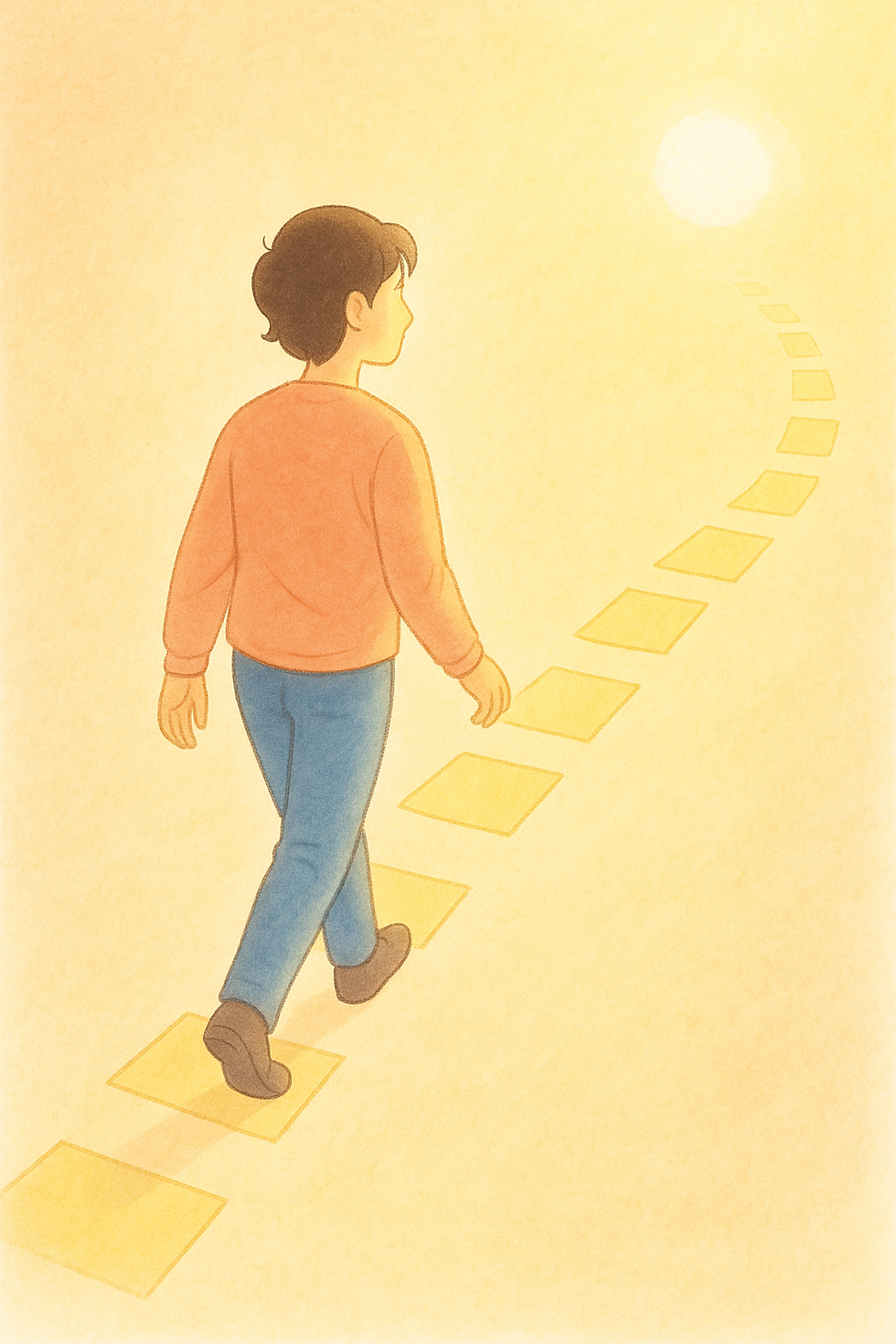
From Self-Judgement to Self-Understanding
When you start to understand your ADHD, the pressure lifts.
You start to see patterns, not failures.
What once felt like chaos begins to make sense.
Understanding brings calm, one realisation at a time.
Therapy becomes the place where your brain is not wrong. It is simply understood.
💭 Did you notice...? If self-understanding replaced self-judgement, what would change for you?
Considering ADHD Therapy
Therapy for ADHD is not about fixing; it is about understanding, finding a rhythm that finally matches your heartbeat, not faster, not slower, just yours.
If you are curious about how this might help you live with more focus and ease, you can learn more about my approach to culturally responsive ADHD therapy on the Therapy Services page.
You are also welcome to reach out to explore about how to begin therapy.
Explore More
🪴 Next in the series:
💡 Related reading:
🧠 Written by
Dr Tiffany Leung | HCPC-Registered Chartered Counselling Psychologist
Part of the educational series on human-centred therapy, culture, and wellbeing.


Comments